Understanding CNC Stainless Steel Parts Suppliers
CNC (Computer Numerical Control) machining has revolutionized the manufacturing industry, particularly in the production of stainless steel parts. These parts are essential across various sectors due to their durability, corrosion resistance, and aesthetic appeal. As industries increasingly rely on custom components, the demand for qualitycnc stainless steel parts suppliers has surged. Understanding the landscape of these suppliers can significantly impact project outcomes and overall satisfaction.
What Are CNC Stainless Steel Parts?
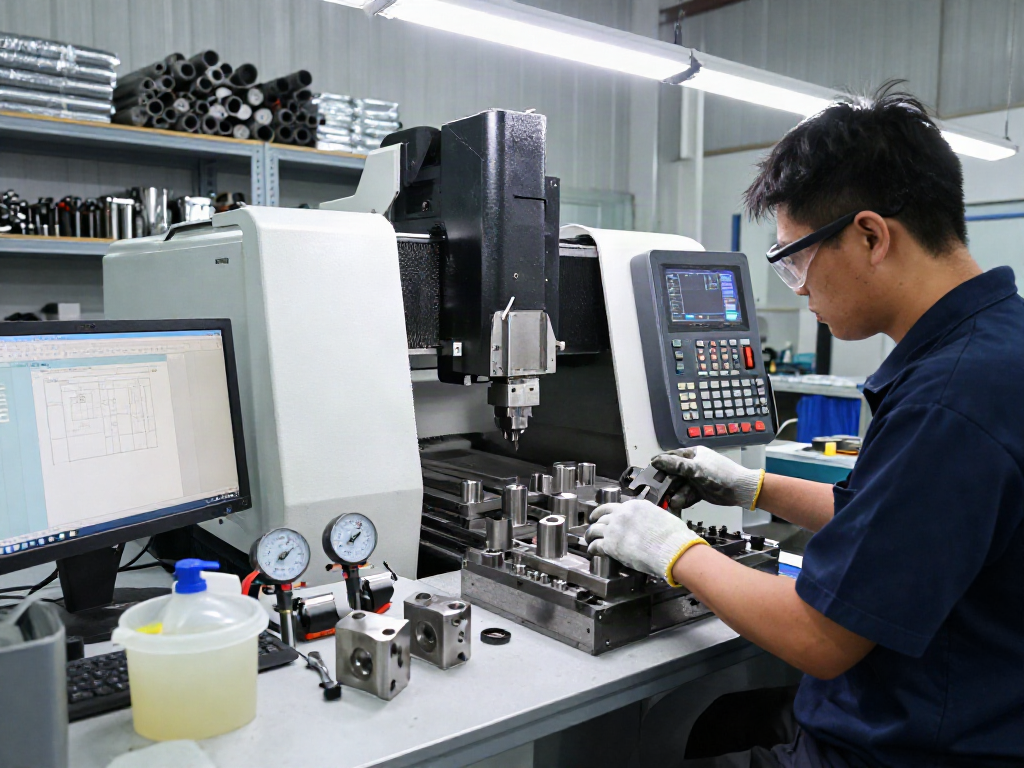
CNC stainless steel parts are components produced using CNC machining techniques, which automate the manufacturing process to create precise and complex shapes out of stainless steel materials. Stainless steel is favored for a variety of applications due to its resistance to rust and stains, strength, and versatility. Parts can range from simple brackets to intricate designs used in aerospace or medical applications, making CNC stainless steel machining a go-to solution for many manufacturers.
Key Benefits of Using CNC Machining
- Precision: CNC machining allows for high levels of accuracy, ensuring that each part meets exact specifications.
- Automation: Automated processes reduce labor costs and human error, leading to faster production times.
- Complex Designs: CNC machines can produce complex geometries that are difficult or impossible to achieve with traditional manufacturing methods.
- Material Efficiency: CNC machining minimizes waste by optimizing the use of raw materials.
Common Applications in Various Industries
CNC stainless steel parts are used extensively in numerous industries, including:
- Aerospace: Components such as brackets and housings that require high strength and resistance to extreme conditions.
- Medical: Surgical tools and implants that must meet strict hygiene and accuracy standards.
- Automotive: Parts including engine components and trim that benefit from durability and aesthetic appeal.
- Consumer Electronics: Enclosures and structural elements that require both protection and sleek design.
Evaluating CNC Stainless Steel Parts Suppliers
Choosing the right supplier is crucial for ensuring quality and meeting project deadlines. With so many options available, understanding the key criteria for evaluation will help streamline your decision-making process.
Criteria for Choosing Reliable Suppliers
- Experience: Look for suppliers with a proven track record in CNC machining, particularly in stainless steel.
- Capabilities: Evaluate the machines and technology they offer, including their ability to handle complex designs and different grades of stainless steel.
- Lead Times: Assess their turnaround time for projects to ensure your timeline aligns with their capabilities.
- Customer Support: Consider the level of communication and support they offer throughout the production process.
Comparative Analysis of Top Suppliers
When comparing suppliers, it’s beneficial to create a matrix that weighs various factors such as cost, delivery times, and customer feedback. This analysis can help visualize which supplier aligns best with your needs:
- Cost: Be mindful of not just the upfront cost, but also the total cost of ownership, including potential rework or delays.
- Quality Assurance: Check if the supplier employs quality control checks and adheres to ISO or other relevant standards.
- Geographic Accessibility: Consider suppliers located closer to you to potentially reduce shipping costs and time.
Industry Certifications and Standards
Certifications can significantly impact a supplier's credibility. Look for suppliers who have:
- ISO 9001:2015 Certification: This ensures they meet international quality management standards.
- Industry-Specific Certifications: Depending on your industry, suppliers may require additional certifications, such as AS9100 for aerospace or ISO 13485 for medical devices.
Cost Considerations for CNC Stainless Steel Parts
Understanding the cost structure of CNC stainless steel parts is vital for budgeting and decision-making. Several factors can influence pricing, which is essential for managing project costs effectively.
Factors Influencing Pricing
- Material Costs: The grade of stainless steel selected can significantly affect the overall price.
- Complexity of Design: Intricate designs generally require more machining time, increasing labor costs.
- Volume of Parts: Larger production runs often lead to lower costs per unit due to economies of scale.
- Lead Time: Rush orders may incur additional charges.
Understanding Cost vs. Quality
While it's tempting to choose the cheapest option, it’s crucial to consider quality alongside cost. Low-cost parts may lead to failures, increased maintenance, or compliance issues down the line, which can ultimately prove more expensive. Evaluating the total cost of ownership can provide a clearer picture of what you are truly paying for.
Establishing a Budget for CNC Projects
Creating a comprehensive budget involves more than just the cost of parts. Include potential shipping fees, quality control measures, and any additional costs for tooling or setup. It’s wise to set aside a contingency fund to cover unexpected expenses.
Challenges in CNC Machining of Stainless Steel Parts
Despite its many benefits, CNC machining comes with its own set of challenges. Identifying these issues early on allows for better planning and execution.
Common Machining Issues and Solutions
- Tool Wear: Stainless steel can be abrasive on tools, leading to faster wear. Regular tool maintenance and proper material selection can mitigate this issue.
- Heat Generation: High cutting speeds can generate excessive heat, leading to thermal distortion. Utilize coolant and select appropriate machining parameters.
- Surface Finish Quality: Achieving a high-quality finish requires careful control of machining parameters and tool selection.
Overcoming Supply Chain Limitations
Supply chain disruptions can pose significant challenges, particularly when sourcing materials. Establishing strong relationships with suppliers and diversifying your supplier base can help mitigate risks and ensure a steady supply of materials for production.
Handling Customer Specifications and Expectations
Clear communication with customers regarding their specifications and expectations is critical. This includes discussing tolerances, finishes, and lead times to avoid misunderstandings and ensure satisfaction.
The Future of CNC Stainless Steel Parts Manufacturing
As technology continues to evolve, the CNC machining industry is entering a transformative phase. Staying ahead of trends is essential for competitiveness.
Emerging Technologies in CNC Machining
Innovations such as additive manufacturing and AI-driven machining processes are creating new possibilities for efficiency and customization. These technologies allow for rapid prototyping and more complex geometries that were previously impossible with traditional methods.
Sustainability Trends in Steel Manufacturing
As the global focus shifts towards sustainability, manufacturers are increasingly seeking eco-friendly practices. This includes using recycled materials and implementing waste reduction strategies within their production processes.
Predictions for the Industry by 2026
By 2026, the CNC machining industry is expected to see significant growth, driven by advancements in automation and smart manufacturing technologies. The demand for customized stainless steel parts is projected to rise, necessitating suppliers to adapt quickly to changing customer needs while maintaining quality and precision.
What should I consider before choosing a CNC supplier?
Before making a decision, assess factors such as their manufacturing capabilities, responsiveness, and customer reviews. A supplier should not only meet your technical requirements but also align with your business goals and values.
How do CNC machined stainless steel parts compare to traditional methods?
CNC machining offers superior precision and repeatability compared to traditional machining methods. It significantly reduces production time, allowing for faster turnaround and the ability to handle complex designs with ease.
What industries use CNC stainless steel parts?
CNC stainless steel parts are prevalent across many industries, including automotive, aerospace, pharmaceuticals, and consumer goods, each requiring tailored solutions to meet their unique challenges.
How can I reduce costs when sourcing CNC stainless steel parts?
To lower costs, consider optimizing designs for manufacturability, sourcing materials in bulk or negotiating long-term contracts with suppliers, and leveraging competitive bidding among suppliers to get the best rates.
What certifications should I look for in CNC parts suppliers?
Look for suppliers holding relevant ISO certifications (such as ISO 9001 or ISO 13485), as well as any industry-specific certifications that demonstrate compliance with quality and safety standards.