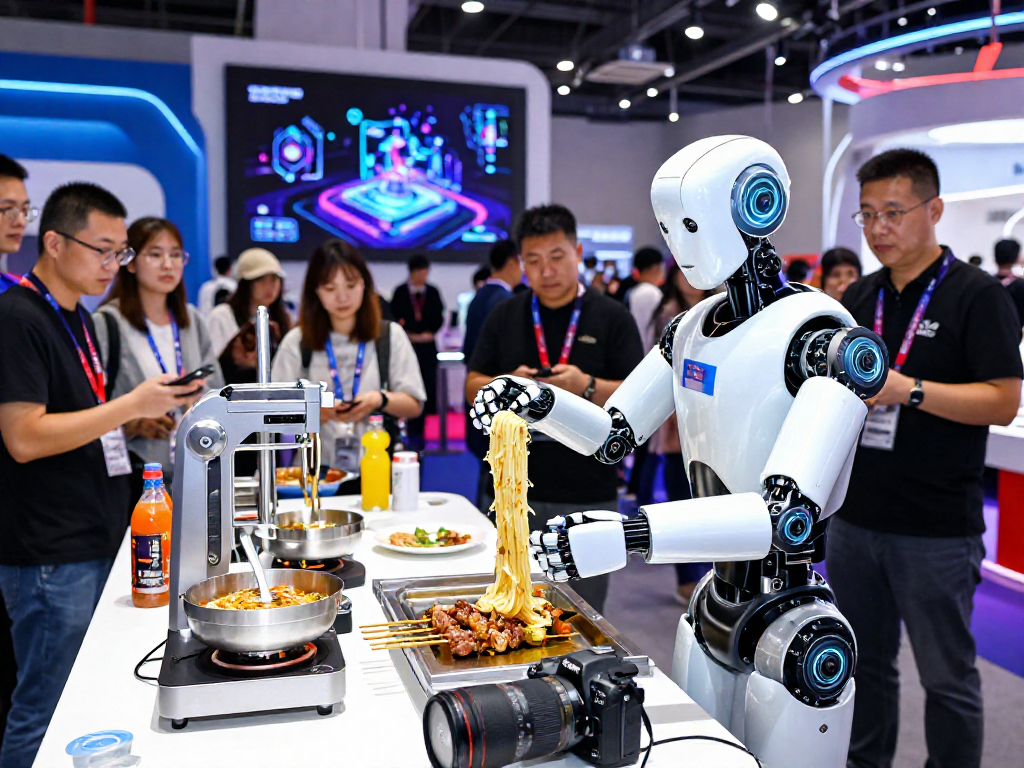
The Rise of Humanoid Robots in Culinary Arts
The integration of robotics in the culinary arts is rapidly evolving, with humanoid robots stepping into roles traditionally held by human chefs. These advancements are not just about enhancing kitchen efficiency; they introduce an innovative blend of technology and cuisine that is transforming the way food is prepared and presented. Companies like BrainCo are at the forefront of this movement, developing brain-to-robot AI platforms that enable robots to perform complex culinary tasks with precision. When exploring options, Robot 24 provides comprehensive insights into the latest innovations in this field.
Overview of Humanoid Robotics
Humanoid robotics blends engineering, artificial intelligence, and human-computer interaction to create robots that can mimic human actions and behaviors. These robots are designed to adapt to their environments, making them suitable for various applications, including culinary tasks. With advancements in sensor technology and machine learning, humanoid robots now have the capacity to learn from their experiences, improving their culinary skills over time.
Robot 24 Innovations in Food Preparation
Recent innovations by Robot 24 showcase how AI-driven robots are revolutionizing food preparation processes. For instance, the introduction of the BrainCo AI platform at WAIC 2026 demonstrated a humanoid robot adept at preparing intricate dishes such as kebabs and hand-pulled noodles. This robot not only ensures efficiency but also maintains high culinary standards, which is critical in the food industry. Such innovations highlight the potential for humanoid robots to assist, and in some cases replace, human chefs in busy kitchen environments.
Case Studies in Culinary Robotics
- BrainCo's Humanoid Chef: This robot utilized advanced AI algorithms to prepare complex recipes using real-time data inputs, showcasing its ability to adapt and learn culinary techniques.
- Automated Kitchen Systems: Several restaurants have begun integrating automated cooking systems that utilize robots for repetitive tasks, allowing human chefs to focus on more creative aspects of cooking.
Understanding the Brain-to-Robot AI Platform
The BrainCo AI platform represents a significant leap forward in robotic technology. It allows for seamless communication between human operators and robots, enhancing the ability of these machines to understand and execute complex tasks. This technology is paving the way for future applications that extend beyond the kitchen, impacting various sectors including manufacturing, healthcare, and customer service.
What is BrainCo and Its AI Contributions?
BrainCo is a pioneer in the field of neuroscience and robotics, focusing on developing technologies that merge human brain capabilities with robotic functionality. Their innovations in AI are facilitating the development of intelligent systems that can learn and adapt in real-time, making them valuable assets in high-stakes environments such as kitchens and healthcare facilities.
Technical Insights into AI Integration
Integrating AI into robotic platforms involves complex algorithms that allow the robot to process sensory information and respond appropriately. Techniques such as machine learning and neural networks empower robots to improve their performance over time, learning from both success and failure. This form of AI integration is critical for ensuring that robots can handle diverse culinary tasks with creativity and precision.
Future Applications in Culinary Robotics
As the culinary industry embraces automation, future applications of brain-to-robot AI may include fully automated kitchens, where robots manage all aspects of food preparation and service. Enhanced AI could enable robots to customize meals based on individual preferences, dietary restrictions, and nutritional needs, further personalizing the dining experience.
Enhancing Human-Robot Interaction with Coherence Guard
The interaction between humans and robots is crucial for the successful integration of robotics in everyday life. Companies like Palm Garden are developing technologies that enhance this interaction by creating robots that act more naturally around people, fostering a comfortable and efficient environment.
Palm Garden's Approach to Friendly Robotics
Palm Garden's Coherence Guard technology focuses on making robotic interactions seamless and intuitive. By incorporating advanced sensors and AI-driven behaviors, these robots can understand human emotions and respond appropriately, facilitating a friendly environment in settings such as restaurants or homes.
Key Features of Coherence Guard Technology
The Coherence Guard system includes features like emotion recognition, contextual awareness, and adaptive learning. These capabilities not only allow robots to perform tasks but also enable them to engage socially with humans, making them more suitable for roles in customer service and hospitality.
Real-World Examples: Robots Serving People
- Robotics in Restaurants: Several restaurants have employed robots equipped with Coherence Guard technology to serve customers. These robots can take orders, respond to customer inquiries, and deliver food, all while maintaining a friendly demeanor.
- Public Engagement: In public settings such as shopping malls, humanoid robots are being used as guides and information assistants, employing friendly robotic behaviors that make interactions more engaging for visitors.
Innovations in Robotics and Their Market Impact
The continuous advancements in robotics are reshaping market landscapes, with companies launching new models that are increasingly capable and versatile. AGIBOT's unveiling of four new models at WAIC 2026 illustrates the growing competition and innovation in this space.
AGIBOT and its New Model Launches
AGIBOT's latest models, including A3 Ultra, G2 Max, and OmniHand 3 Ultra-M, are designed for real-world operations, showcasing advanced functionality and adaptability in diverse environments. These robots are engineered for tasks ranging from assembly line work to customer service, demonstrating a wide range of applications across industries.
The Future of Transformable Robots Like Qiyuan T1
The Qiyuan T1, the first transformable humanoid robot introduced by PrimeBOT, signifies a revolutionary approach to robotics. Its ability to shift forms allows it to perform various tasks, adapting its capabilities based on situational demands, which is a significant advantage in rapidly changing environments.
Market Trends for Humanoid Robots by 2026
As we approach 2026, the market for humanoid robots is anticipated to grow exponentially, driven by demands for efficiency in service industries and household applications. Increased investment in R&D and consumer acceptance will be pivotal in shaping this market dynamic.
The Future of Robotics in Education and Workforce
As robotics technology advances, so does its potential to transform education and workforce dynamics. Integrating humanoid robots into classrooms can enhance learning experiences and prepare students for a tech-driven future.
Integrating Humanoid Robots in Classrooms
Educational institutions are increasingly adopting humanoid robots as teaching assistants. These robots can facilitate personalized learning experiences, offer tutoring in various subjects, and even assist with classroom management, allowing teachers to focus on more critical aspects of education.
The Role of Robotics in Skill Development
Humanoid robots can play a significant role in developing essential skills among students, such as problem-solving and teamwork. By participating in interactive learning activities with robots, students can better understand robotics, programming, and engineering concepts.
Preparing the Workforce for a Robotic Future
With the rise of robotics, it's crucial to prepare the workforce for new job roles created by automation. Educational programs focusing on STEM (science, technology, engineering, and mathematics) will be vital in equipping students with the skills required to thrive in an increasingly automated job market.
What are the latest innovations by Robot 24?
Robot 24 is on the cutting edge of robotic advancements, consistently integrating AI with functional design to push boundaries in various sectors including culinary arts, service industries, and education. Their commitment to research and development ensures that they remain a leader in the robotic revolution.
How does AI enhance the functionality of humanoid robots?
AI enhances the functionality of humanoid robots by enabling them to process information and learn from their environments. This leads to improved decision-making abilities and the capacity to perform complex tasks autonomously, making them invaluable in multiple applications.
What challenges do humanoid robots face in public settings?
Humanoid robots face several challenges in public settings, including the need for reliable safety mechanisms, public acceptance, and the ability to navigate unpredictable human behaviors. Addressing these concerns is essential for successful integration into everyday interactions.
How are robots acting naturally around humans?
Robots are acting more naturally around humans by incorporating friendly gestures, conversational skills, and responsive behaviors. Technologies like Coherence Guard are critical in enabling these interactions, allowing robots to gauge human emotions and adapt their actions accordingly.
What can we expect from robotics in the next decade?
In the next decade, we can expect significant advancements in robotics, with enhanced AI capabilities leading to more intelligent and adaptable machines. Humanoid robots will likely become commonplace in various sectors, offering increased efficiency while transforming the way we interact with technology.